
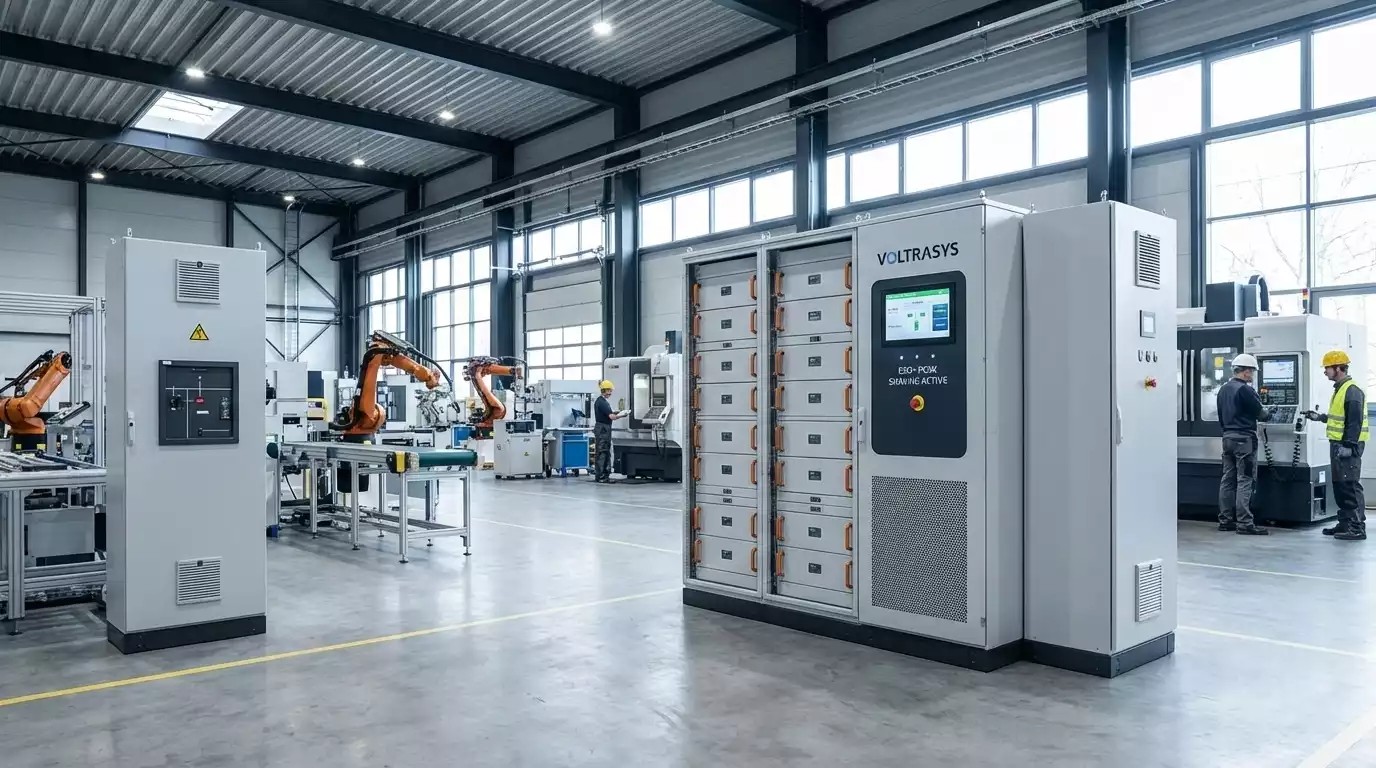
50–100kWh Industrial Battery Storage Solution
Reliable Backup Power & Peak Shaving for Factories
Stable Power. Lower Energy Costs. Zero Downtime.
Our 50–100kWh Battery Energy Storage System (BESS) is designed for factories, workshops, and light industrial facilities that need:
- ✓ Reliable backup power during outages
- ✓ Peak shaving to reduce electricity bills
- ✓ Seamless integration with grid, solar, or diesel generators
👉 One system. Multiple energy problems solved.
Designed for Real Industrial Use Cases
Proven applications across manufacturing and commercial facilities
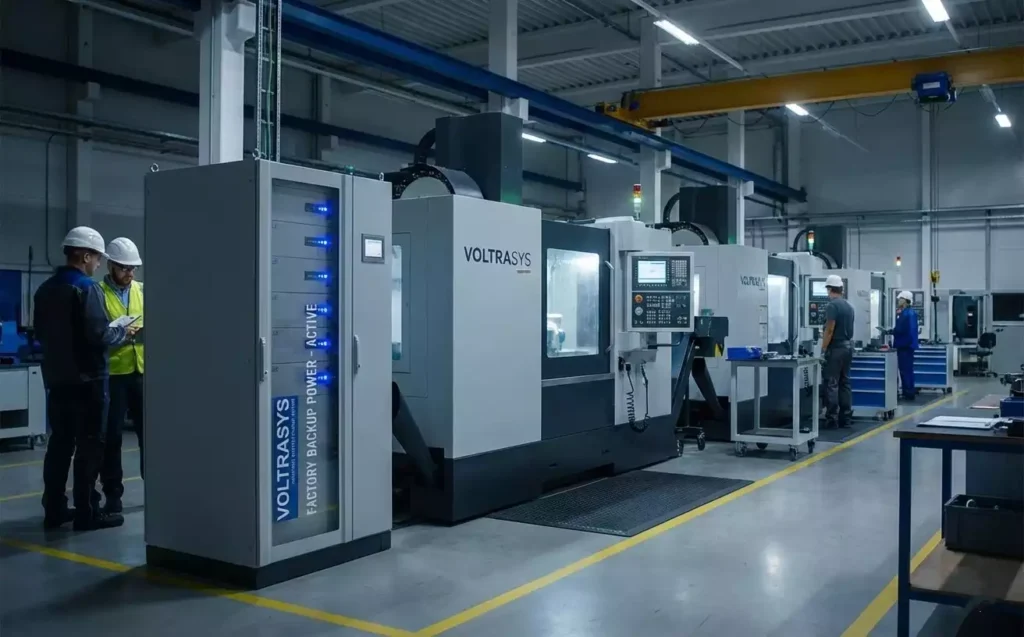
🏭 Factory Backup Power
- Prevent production downtime during grid outages
- Protect CNC machines, compressors, and control systems
- Automatic switchover in milliseconds
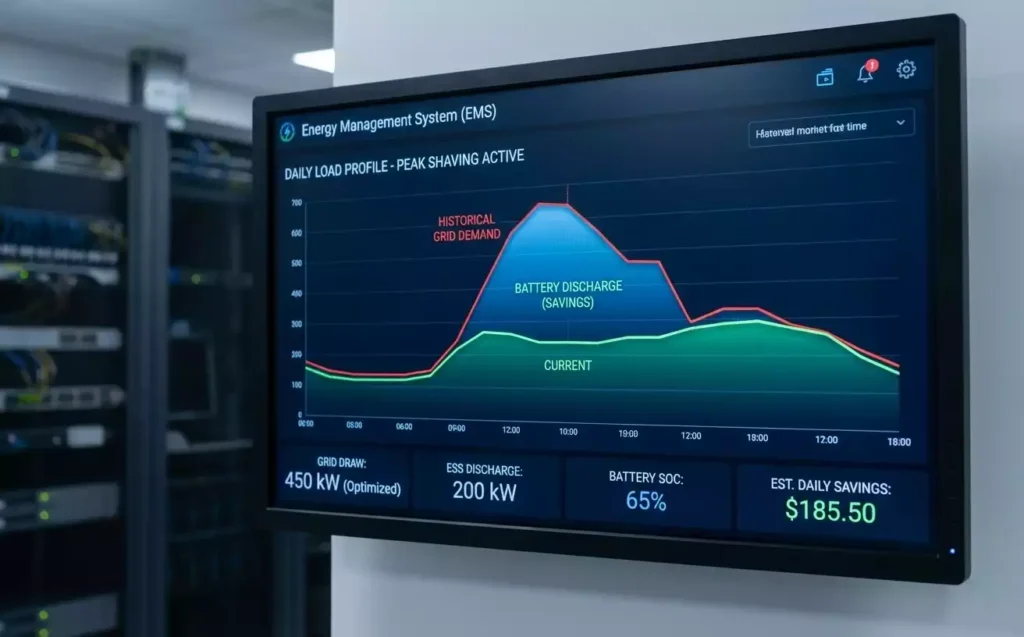
💰 Peak Shaving & Load Management
- Store energy during off-peak hours
- Discharge during peak tariff periods
- Reduce demand charges by up to 30–40%
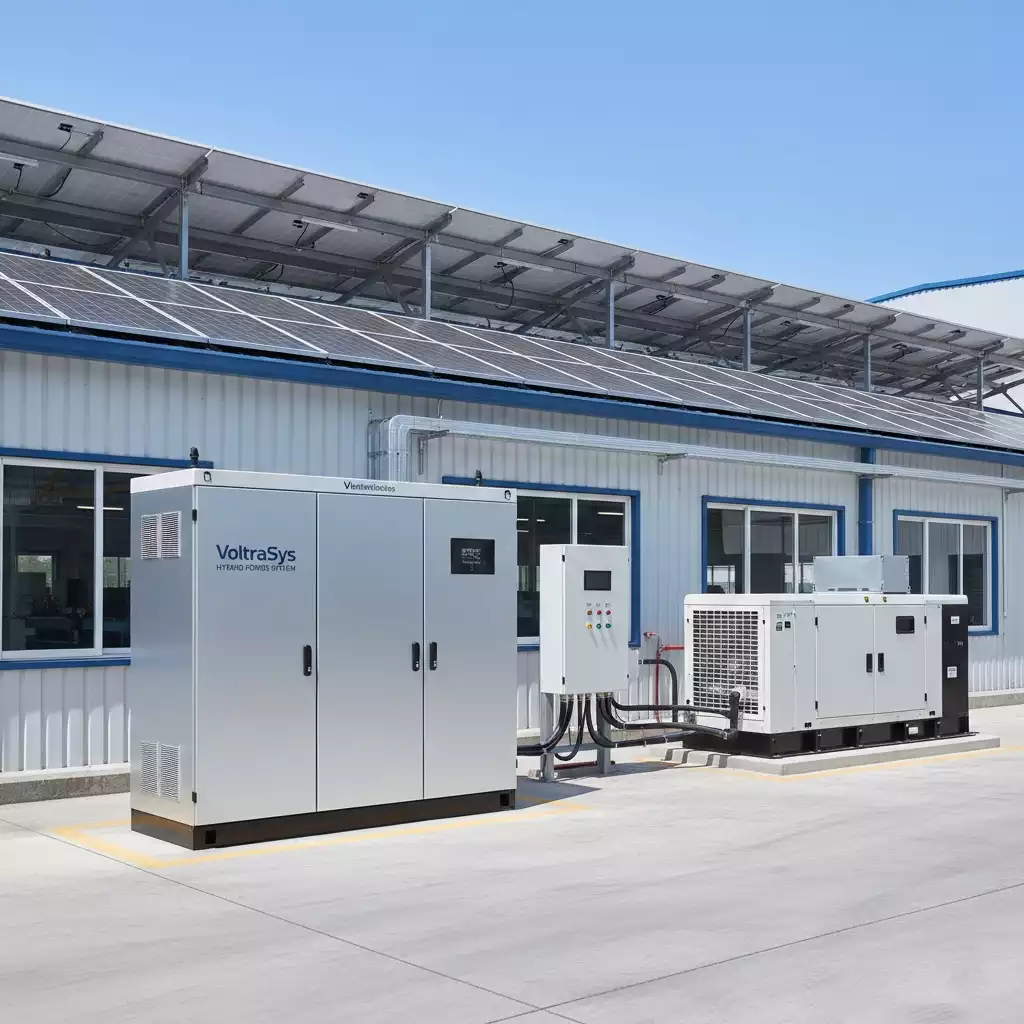
🔋 Hybrid Energy Systems
- Works with solar PV + grid
- Compatible with diesel generators
- Ideal for unstable power regions
Why 50–100kWh Is the Ideal Capacity for Small & Medium Factories
Many factories don’t need megawatt-scale systems. 50–100kWh battery storage offers the best balance.
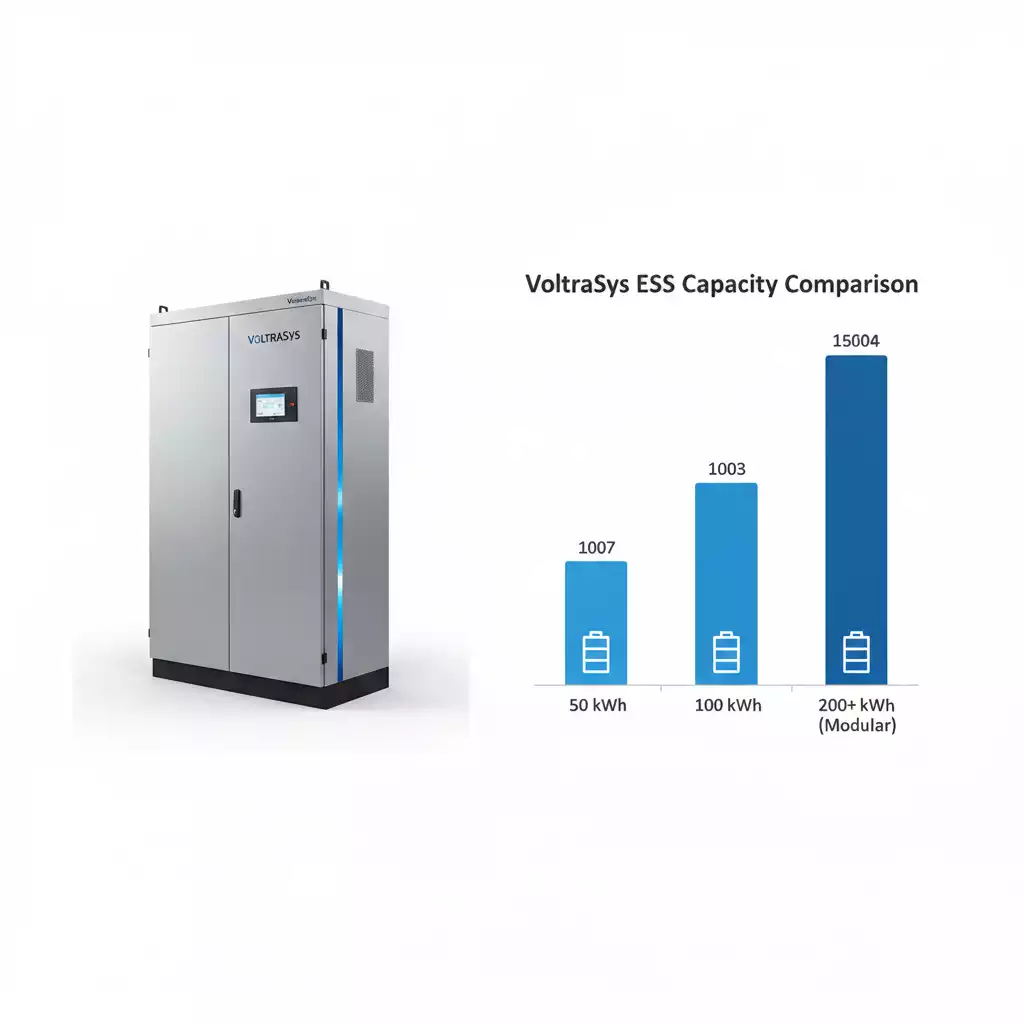
- ✅ Sufficient backup time (1–4 hours for critical loads)
- ✅ Lower upfront investment
- ✅ Faster ROI (typically 2–4 years)
- ✅ Easy installation & modular expansion
Perfect for:
- Light manufacturing
- Medical consumables factories
- Packaging & assembly lines
- Warehouses & logistics centers
System Architecture Overview
Our industrial battery storage system includes all essential components
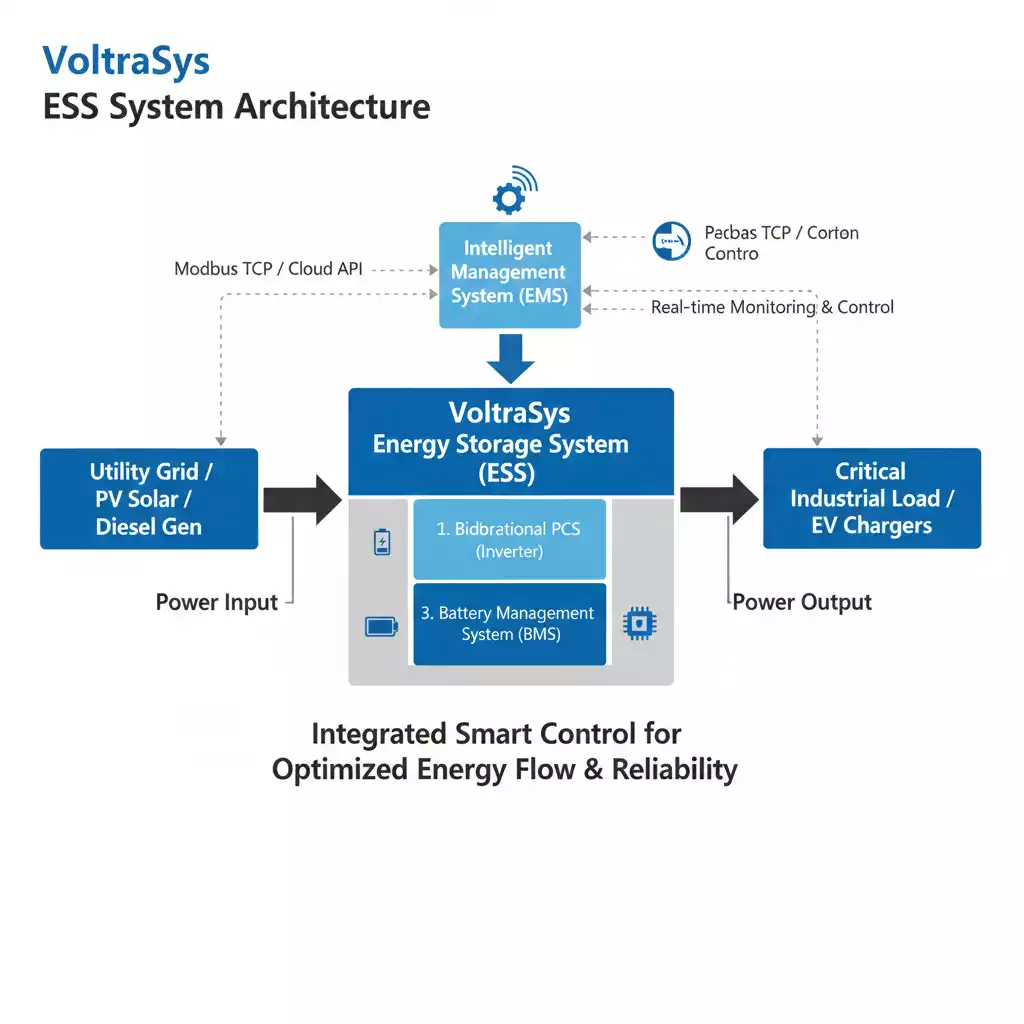
- Lithium Battery Modules (LiFePO₄)
- Industrial Hybrid Inverter (PCS)
- Battery Management System (BMS)
- Energy Management System (EMS)
- Fire protection & thermal control system
Supports:
🔌 Grid-tied
⚡ Off-grid
🔄 Hybrid (Grid + Solar + Generator)
Technical Specifications (Typical Configuration)
Detailed technical parameters for your evaluation
| Item | Specification |
|---|---|
| Energy Capacity | 50kWh / 100kWh (Expandable) |
| Battery Type | LiFePO₄ (LFP) |
| Nominal Voltage | 384V / 512V |
| Cycle Life | ≥6000 cycles @ 80% DOD |
| Inverter Power | 30kW / 50kW |
| Efficiency | ≥95% |
| Protection Level | IP54 / IP55 |
| Operating Temp | -10°C to 50°C |
| Communication | RS485 / CAN / Ethernet |
| Certifications | CE / UN38.3 / IEC |
💡 Custom configurations available based on your specific requirements
Why Choose Battery Storage Over Traditional Backup Solutions?
Clear advantages compared to conventional alternatives
vs Diesel Generator
- ✅ No fuel cost
- ✅ No noise
- ✅ No emissions
- ✅ Instant response
vs Grid-Only Power
- ✅ Avoid peak electricity prices
- ✅ Reduce demand charges
- ✅ Energy independence
vs Lead-Acid Batteries
- ✅ Longer lifespan
- ✅ Higher efficiency
- ✅ Smaller footprint
- ✅ Lower total cost of ownership (TCO)
Industrial-Grade Safety Design
Safety is our top priority for industrial applications
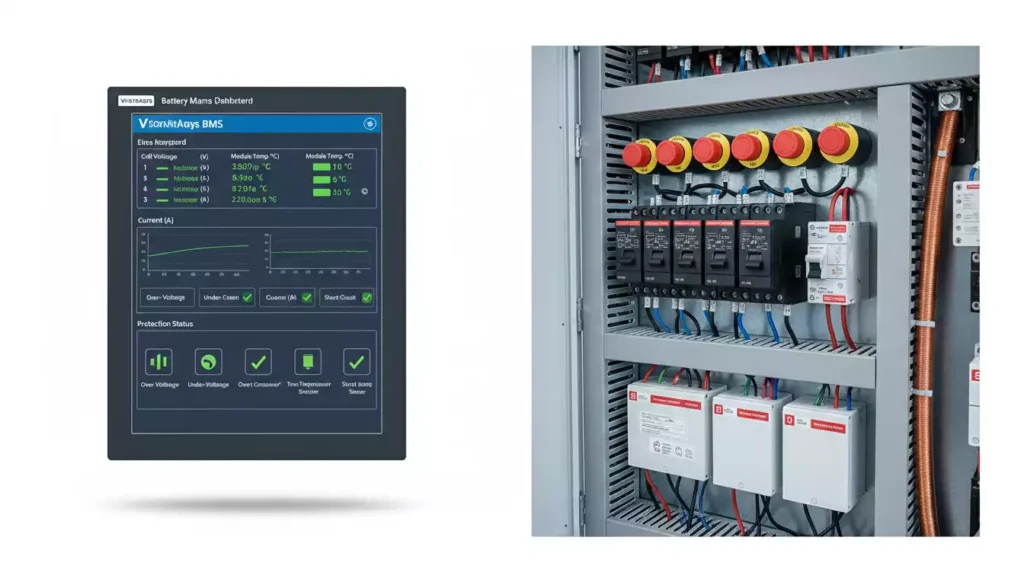
- 🔒 Cell-level voltage & temperature monitoring
- 🛡️ Multi-layer BMS protection
- 🔥 Fire-resistant battery enclosure
- ⚠️ Automatic shutdown in abnormal conditions
- 🚨 Optional aerosol / gas fire suppression system
Designed to meet strict industrial safety standards.
Easy Installation & Fast Deployment
Minimal disruption to your operations
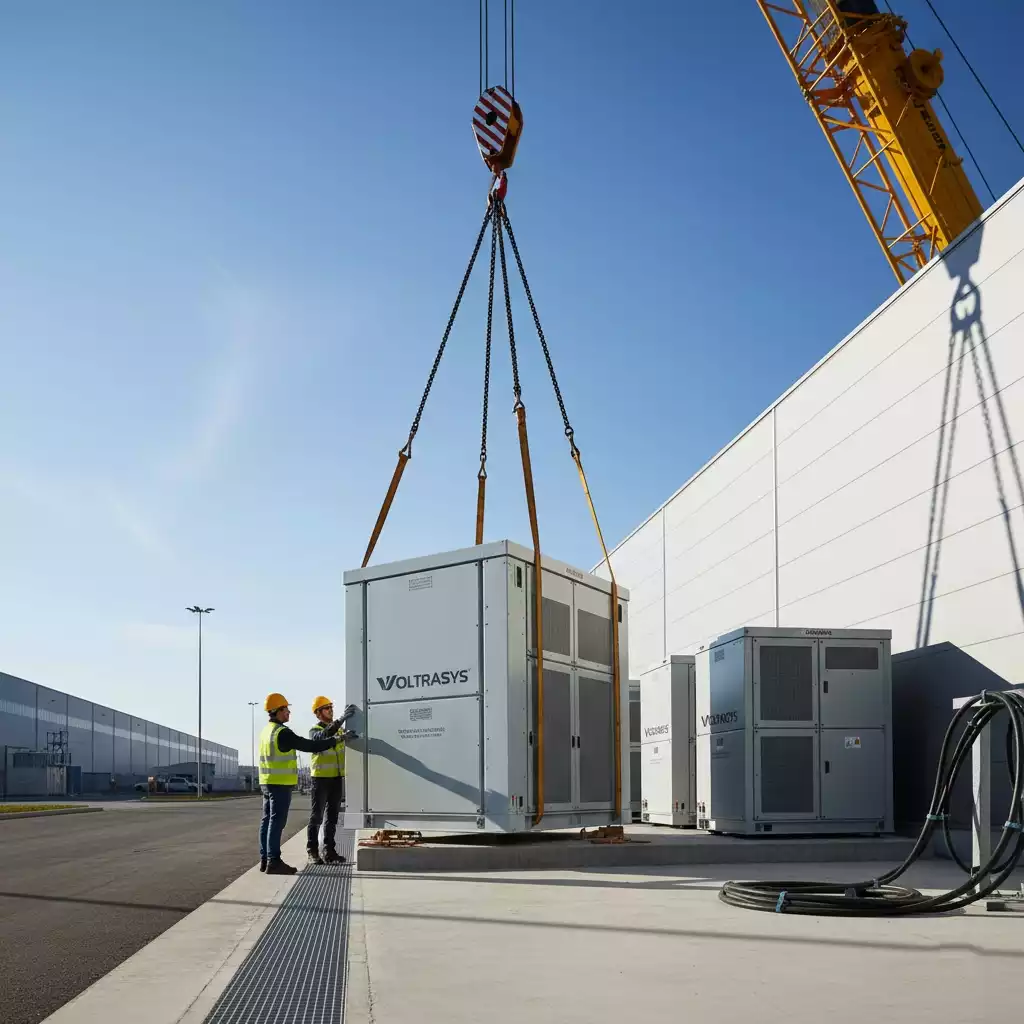
- ✅ Pre-assembled cabinet design
- ✅ Indoor or outdoor installation
- ✅ Minimal on-site construction
- ✅ Typical delivery time: 4–6 weeks
We provide:
- Wiring diagrams
- System commissioning support
- Remote monitoring setup
Who Is This Solution For?
Ideal for these industrial applications
✔ Small & medium factories
✔ Medical consumables manufacturers
✔ Packaging & printing plants
✔ Workshops with unstable power supply
✔ Companies facing high peak electricity costs
If your factory experiences power outages or high energy bills, this system is built for you.
Get Your Customized 50–100kWh Energy Storage Solution
Every factory is different. We design systems based on:
- 📊 Load profile
- ⏱️ Backup duration requirements
- 💰 Local electricity tariffs
- 📈 Future expansion plans
No obligation. Free consultation within 24 hours.
Frequently Asked Questions
How long will a 100 kWh system actually run my factory?
At a 25 to 40 kW average critical load, 2 to 4 hours; at 10 kW of instrumentation and lighting, most of a shift. The number that matters is the measured load on the circuits you choose to back up, not total site demand. That is why we ask for interval data before quoting a capacity.
Can it work with solar panels I already have?
Yes, in AC-coupled configuration: existing PV inverters stay in place and the battery charges from surplus generation or from the grid. DC coupling is more efficient for new builds where inverter and battery are chosen together, but retrofitting it onto an operating PV array rarely pays for the rewiring.
What is the battery lifespan, and on what basis is it warranted?
LiFePO4 cells are rated above 6,000 cycles, which is roughly 10 to 15 years of daily industrial cycling before capacity falls to around 80%. Warranty is written against cycles and throughput rather than calendar years, so the figure worth checking in a quotation is guaranteed MWh throughput, not the headline year count.
How much space and site work does installation need?
A 50 to 100 kWh cabinet typically needs 2 to 4 square metres of floor, about 1 m of clearance for service access, and a ventilated frost-free room. The work is mostly electrical: a dedicated feed, breaker and communications cabling. Civil work is minimal, and outdoor-rated variants remove the room requirement altogether.
Can capacity be expanded later?
Yes. The units are modular and parallel-capable, so capacity grows in steps without replacing the inverter or EMS. Plan switchgear and cable routing for the final capacity at first installation, because that is the only part of a later expansion that genuinely costs money rather than just adding another cabinet.
Related solutions: Peak Shaving & Load Shifting · Solar + Storage Hybrid Systems · Factory Backup Power
